
What is a CDL?
What Does CDL Stand For?
A CDL, or Commercial Drivers License, is a specialized license required to operate large trucks, buses, and certain commercial vehicles for work. Unlike a standard driver’s license, a CDL reflects additional training, testing, and responsibility tied directly to public safety.
Since 1992, federal law has required CDL certification for commercial drivers. These standards are set by the Federal Motor Carrier Safety Administration (FMCSA) and applied by each state.
For many people, especially those interested in learning a skilled trade in a relatively short amount of time. Earning a CDL is a direct path into a stable, in-demand job.
Key Takeaways
- A CDL is a Commercial Driver’s License
- A CDL is a specialized license required to operate large trucks, buses other commercial vehicles
- The three classifications of CDL (Class A, Class B, and Class C) allow you to drive different types of commercial vehicles
When is a CDL Required?
You are required to hold a CDL if you plan to operate a vehicle that meets any of the following criteria:
- Vehicles with a gross vehicle weight rating (GVWR) of 26,001 pounds or more
- Combination vehicles where the combined weight is 26,001 pounds or more and the trailer alone exceeds 10,000 pounds
- Vehicles designed to transport 16 or more passengers, including the driver
- Vehicles transporting hazardous materials that require federal placards
These specifications apply nationwide, including in Oregon and Washington, though testing procedures and fees are handled at the state level.
What Can You Do with a CDL?
CDLs are divided into classes based on the type and size of vehicle you are qualified to operate. Each class opens the door to different types of driving jobs.
Class A CDL
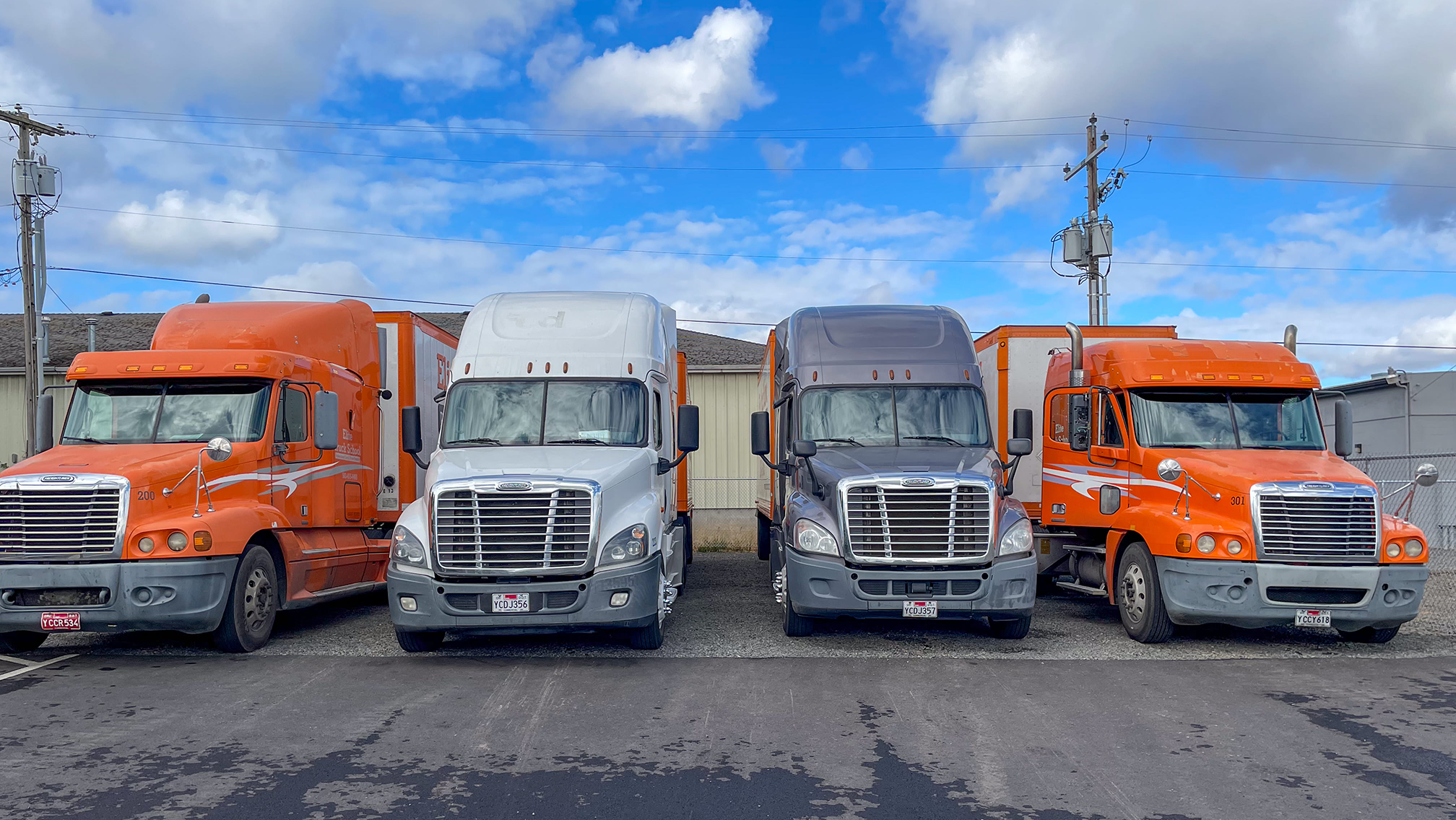
A Class A CDL allows drivers to operate the largest vehicles on the road, including:
- Tractor-trailers
- Tanker trucks
- Flatbeds
- Combination/articulated vehicles
This license is commonly required for long-haul and regional freight operations due to larger, heavier freight.
Class B CDL
A Class B CDL covers large single vehicles weighing 26,001 pounds or more, typically with a smaller trailer. Common examples include:
- Straight trucks
- Dump trucks
- Delivery vehicles
- City buses
Class C CDL
A Class C CDL applies to specialty vehicles that do not meet the weight of Class A and Class B vehicles, but are designed to transport passengers or hazardous materials. This includes certain buses and hazmat vehicles.
Important: A higher CDL class allows you to operate vehicles in lower classes. For example, a Class A CDL also qualifies you to drive Class B and Class C vehicles.
CDL Responsibility and Safety Expectations
Earning a CDL means accepting a higher level of responsibility behind the wheel. Commercial drivers are held to stricter safety, performance, and compliance standards because of the size, weight, and complexity of the vehicles they operate.
CDL holders are expected to:
- Follow traffic laws and safety regulations consistently
- Maintain a clean driving record
- Pass required medical examinations
- Comply with federal and state reporting requirements
Traffic violations or lapses in compliance can directly impact a driver’s ability to maintain their commercial driving privileges. A CDL is also unique in that drivers are legally permitted to hold only one CDL nationwide, even if they live or work across state lines.
At its core, the CDL system exists for one reason: public safety.
CDL Endorsements and Restrictions
Once licensed, drivers may choose to expand their qualifications through endorsements. Endorsements are additional certifications that allow drivers to operate specific vehicles or haul specialized cargo, and often create better-paying job opportunities.
Common endorsements include:
- Hazardous Materials (H): Required for hauling regulated hazardous materials; includes a TSA background check
- Passenger (P): Required for vehicles carrying 16 or more passengers
- School Bus (S): Required in addition to the Passenger endorsement for school bus operation
- Tank Vehicle (N): Required for hauling liquid or gaseous materials in bulk
- Double/Triple Trailers (T): Required for pulling multiple trailers
Restrictions limit what a driver can operate. One of the most significant is the air-brake restriction, which prevents drivers from operating vehicles equipped with air-brake systems. This restriction can limit job opportunities, but can be removed through additional testing.
Jobs that Require a CDL
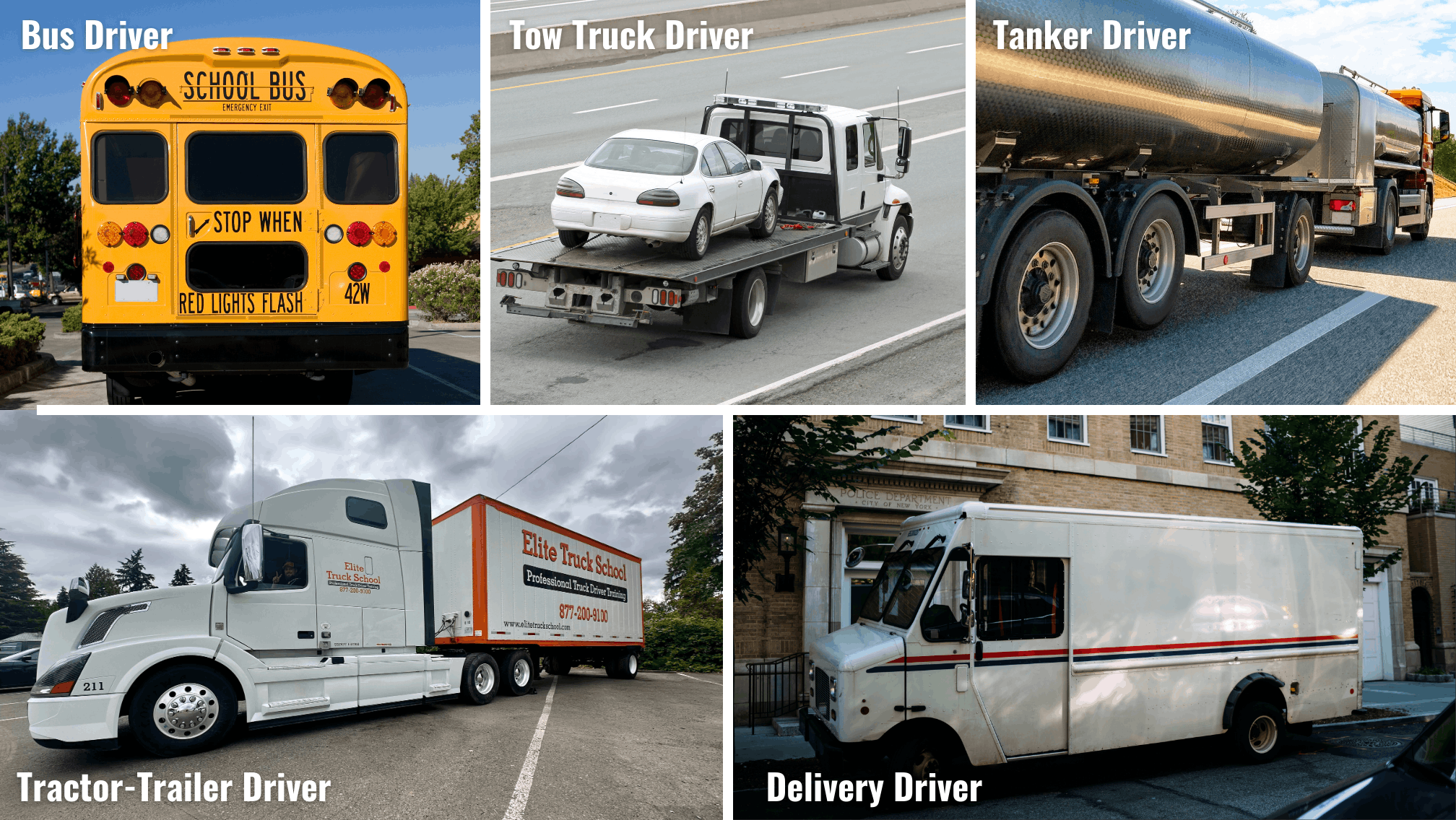
There are jobs that require you to have a CDL in the United States. This includes:
- Tractor-trailer driver
- Tow truck driver
- Bus driver
- Tanker driver
- Delivery driver
Depending on the job you wish to pursue, that determines which commercial drivers license you’ll need to have.
FAQs About Commercial Driver’s Licenses
What is a Commercial Driver’s License (CDL)?
A CDL is a specialized license required for operating large, heavy, or hazardous material vehicles for commercial purposes.
Why do I need a CDL?
Having a CDL is necessary to drive vehicles with a gross weight of 26,001 pounds or more, vehicles designed to transport 16 or more passengers, or vehicles carrying hazardous materials requiring placards.
What requirements do I have to meet to get a CDL?
There are a series of seven federal requirements you must meet before obtaining your Commercial Driver’s License. Those include age, having a driver’s license, a clean driving record, a DOT physical, legal status, and training. Click here for Oregon-specific requirements or click here for Washington-specific requirements.
How do I get a Commercial Driver’s License (CDL)?
To get a CDL, you need to qualify, train, and test. For all the details, view Elite’s step-by-step guide on how to get a CDL.
Who regulates CDL in the U.S.?
CDL’s are regulated by the Federal Motor Carrier’s Safety Administration (FMCSA).
What are CDL endorsements? and why are they important?
CDL endorsements are specialized certifications that allow drivers to operate specific types of vehicles or to carry certain types of cargo. Common endorsements include: Hazardous Materials (H), Passenger (P), School Bus (S), Tank Vehicle (N), Double/Triple Trailers (T).
Why are CDL endorsements important?
These endorsements can increase job opportunities and allow drivers to operate a wider range of commercial vehicles.
Is CDL right for me?
If you’re looking for a career that is fast-tracked, well-paying without a traditional degree, and independent.