
DOT Physical Requirements for CDL
What is the DOT Physical?
Every aspiring commercial driver needs to pass a physical exam through the Department of Transportation (DOT) to earn and maintain their commercial driver’s license. The exam process is detailed because the stakes are higher. Certain physical and mental health conditions will automatically disqualify you from getting certified, since these could compromise your ability to drive safely. The goal is straightforward: only medically fit drivers should operate commercial vehicles on public roads.
This guide walks you through exactly what DOT physical requirements mean for CDL holders. You’ll learn:
- Who needs a DOT Physical
- What medical examiners actually look for during your exam
- Which conditions might disqualify you
- How to prepare for this mandatory certification
Who Needs a DOT Physical and Why it Matters
The Federal Motor Carrier Safety Administration (FMCSA) sets clear rules about which commercial drivers must complete DOT physical examinations. Understanding these requirements helps you determine whether you need certification and how often you’ll need to renew it. Anyone looking to become a commercial truck driver will need to complete their DOT physical as a requirement before starting CDL training at an ELDT compliant school, like Elite Truck School.
Why the DOT physical is mandatory for safety
The DOT physical exists as a fundamental safety measure, not just regulatory paperwork. Commercial vehicle operators must meet higher physical, and mental standards than regular passenger car drivers. The reasoning is straightforward: a medical emergency while operating a commercial vehicle could have serious consequences.
The stakes are too high to rely on drivers self-reporting their medical fitness. Professional oversight through regular examinations provides an objective assessment that protects both the driver and the public.
How often the exam must be taken
DOT physicals are generally required every 24 months. However, medical examiners may issue certificates for shorter periods when monitoring specific health conditions, including:
- Drivers with high blood pressure
- Those with heart disease
- Individuals with diabetes or sleep apnea
This flexibility in certification periods helps ensure ongoing monitoring of health conditions that could potentially impact driving safety. Rather than a one-size-fits-all approach, the system adapts to individual health circumstances while maintaining safety standards.
What’s Included in the DOT Physical?
Medical examiners conduct detailed assessments during DOT physicals to ensure CDL drivers can safely operate commercial vehicles. The exam covers multiple body systems and functions that are essential for safe driving.
Vision and color distinction requirements
Examiners test your vision using standard methods like the Snellen eye chart. You must demonstrate at least 20/40 correctable vision in each eye separately and with both eyes together. This standard applies whether you use corrective lenses or not. Your peripheral vision must extend at least 70 degrees on each side in each eye. While no formal color blindness test is required, you must prove you can recognize standard red, green, and amber traffic signals. Monovision contact lenses (using one eye for distance and one for near vision) are not permitted for CDL drivers.
Hearing test and acceptable aids
The hearing assessment starts with the forced whisper test. You must perceive a whispered voice at 5 feet in at least one ear. If you fail this test, an audiometric test becomes necessary, where hearing loss in your better ear must at least be able to hear someone whisper (usually around 40 decibels. Hearing aids are permitted both during testing and while driving. Drivers who use hearing aids must carry a spare power source with them while operating commercial vehicles.
Blood pressure and heart health
Your blood pressure reading directly determines your certification period. Readings below 140/90 qualify you for a two-year certification. Stage 1 hypertension (140-159/90-99) results in one-year certification. Stage 2 readings (160-179/100-109) permit only a one-time three-month certification until the condition improves. Readings above 180/110 disqualify you until blood pressure is controlled. Examiners also check for irregular heartbeats and may ask about symptoms like:
- Chest pain
- Shortness of breath
- Leg pain when walking
Urine samples and signs of diabetes
The exam also includes mandatory urinalysis to check for glucose, protein, blood, and specific gravity. Glucose in urine may indicate diabetes, potentially requiring glucose monitoring and follow-up with your primary care doctor. Protein might signal kidney issues from high blood pressure or diabetes. Blood in urine could indicate kidney stones, infections, or other conditions requiring further medical evaluation.
Sleep apnea and fatigue symptoms
A study conducted for the FMCSA found that nearly one-third (28%) of commercial truck drivers have mild to severe sleep apnea. Examiners screen for this condition by evaluating neck circumference and BMI. Using screening tools like the Epworth Sleepiness Scale, they look for warning signs including:
- Loud snoring
- Breathing pauses during sleep
- Excessive daytime sleepiness
Moderate to severe sleep apnea that interferes with safe driving is disqualifying until effectively treated.
Neurological and muscular checks
The physical examination assesses your ability to perform essential driving functions. Examiners check for limb impairment, deformities, limited range of motion, and neurological issues. They ensure you have sufficient grasp and strength in your upper extremities to maintain steering wheel grip. Lower extremity mobility and strength are evaluated for proper pedal operation. The neurological assessment includes checking reflexes, coordination, balance, and sensory function.
Conditions and Medications That Could Disqualify You
Certain medical conditions will automatically prevent you from getting DOT certification, no matter how experienced a driver you are. Knowing about these disqualifying factors ahead of time helps you understand what the medical examiner is looking for and whether you might need to address any health issues before your exam.
Physical conditions that may disqualify you
- Heart conditions are the most common physical disqualifiers during DOT physicals. If you have a current diagnosis of heart attack, chest pain from heart disease, coronary insufficiency, or thrombosis risk, you won’t qualify for certification
- Epilepsy and seizure disorders also automatically disqualify drivers because they can cause sudden loss of consciousness
- Inner ear diseases that cause vertigo or balance problems, like Meniere’s disease, typically prevent certification as well
- The vision requirements we discussed earlier are non-negotiable
- If you fail the hearing tests in both ears, that’s also disqualifying
Mental health conditions under DOT scrutiny
Mental health evaluations follow strict federal guidelines, though medical examiners do assess each case individually. Conditions like dementia, certain personality disorders, and active psychosis or schizophrenia frequently disqualify commercial drivers. The examiner looks at your specific symptoms, how effective your treatment has been, what medications you’re taking, and whether there might be any dangerous drug interactions.
The general rule is straightforward: the more serious your mental health condition, the more likely it is to prevent certification. Medical examiners need to be confident that you can maintain focus, make good decisions, and handle the stress of commercial driving without putting yourself or others at risk.
DOT disqualifying medications and controlled substances
Prescription drug rules are extremely strict for commercial drivers. You cannot take any controlled substances without a valid prescription. You can be disqualified from your certification by using:
- Schedule I substances
- Amphetamines
- Narcotics
- Habit-forming drugs
- Anti-seizure medications used specifically to prevent seizures
Here’s something that surprises many drivers: marijuana use in any form remains prohibited for DOT certification, even in states where it’s legal. Federal transportation regulations override state laws when it comes to commercial driving. Medical examiners review all your medications – prescription drugs, over-the-counter medicines, and even supplements – to make sure they won’t interfere with safe operation.
How exemptions and waivers work
The FMCSA does offer exemption pathways for certain conditions, though the process isn’t simple. You’ll need to submit a detailed application that includes your medical records, employment history, driving experience, and vehicle records. The agency has up to 180 days to make a decision after receiving your completed application.
Currently, hearing and seizure exemptions are available for interstate commerce drivers. Keep in mind that federal exemptions don’t automatically apply to intrastate driving requirements, which are governed by individual state authorities. If you think you might qualify for an exemption, it’s worth exploring, but don’t count on it as your primary path to certification.
Your Path Forward with DOT Physical Requirements
DOT physical examinations aren’t going anywhere – they’re a permanent part of your trucking career that directly impacts your ability to keep driving professionally. Every two years (or more frequently with certain health conditions), you’ll need to prove you can safely operate commercial vehicles on America’s highways.
The medical requirements are strict for good reason. Heart conditions, uncontrolled seizures, and certain medications will keep you off the road until properly managed. Blood pressure, vision and hearing issues can also disqualify you from obtaining or maintaining your CDL.
The key to staying ahead of DOT requirements? Treat your health as seriously as you treat your driving skills. Manage chronic conditions with your doctor. Keep your medications current and properly prescribed. Know which health issues could sideline your career before they become problems.
Your DOT physical is more than a regulatory checkbox – it’s your ticket to continued employment and income. Most drivers pass without issues, but preparation makes the difference between a smooth certification and unexpected complications. The trucking industry needs qualified drivers, and maintaining your DOT certification keeps you behind the wheel where you belong.
FAQs about the DOT Physical
What do they check during the DOT Physical?
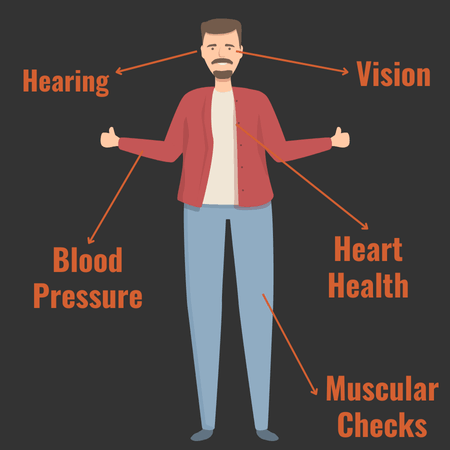
DOT physical typically includes:
- Vision test
- Hearing tests
- Blood pressure and pulse checks
- Urine test
- Sleep apnea screening
- Comprehensive physical examination
The examiner also reviews the driver’s medical history and checks for disqualifying physical and mental conditions.
Where do I go to get my DOT physical?
The DOT provides an extensive list of approved doctors to perform your physical. You can find the list on the FMCSA National Registry, or as your admissions team at Elite Truck School for nearby recommendations.
How often do truck drivers need a DOT physical?
Generally, commercial drivers must pass a DOT physical every 24 months. However, some drivers may require more frequent examinations if they have certain health conditions that need closer monitoring.
Can drivers with certain medical conditions still obtain DOT certification?
While some conditions may disqualify drivers, there are exemptions and waivers available for certain situations. For example, drivers with controlled diabetes or those who use hearing aids may still qualify. However, conditions like uncontrolled high blood pressure, epilepsy, or use of certain medications can be disqualifying.
What vision requirements must drivers meet to pass a DOT physical?
Drivers must have at least 20/40 vision in both eyes (with or without corrective lenses) and a peripheral vision of at least 70 degrees in each eye. They must also be able to distinguish between traffic signal colors.
Are there any upcoming changes to DOT physical requirements?
Yes, new regulations set to take effect in 2026 include changes to seizure and epilepsy rules, updated vision and hearing standards, and modifications to blood pressure certification periods. Additionally, there will be changes to how medical examination results are reported and verified.