
What Can You Do With a CDL?
Are you wondering what careers open up with a CDL? Most people think about long-haul trucking when they hear Commercial Driver’s License, but your opportunities extend far beyond driving cross-country routes. The CDL job market includes career paths you probably never considered.
We’ll show you various jobs that require a CDL, from traditional roles to specialized positions you may never have connected with this versatile license. Whether you’re considering a truck driving career or want to use your existing CDL for different opportunities, you’ll see just how many options this qualification creates in today’s job market.
Types of CDL licenses: A, B, and C
CDLs come in three distinct classes, each allowing you to operate different vehicle types:
- Class A CDL: You can drive any combination vehicles with a gross combination weight rating (GCWR) of 26,001 pounds or more. This includes tractor-trailers, truck and trailer combinations, and tankers.
- Class B CDL: You can operate single vehicles with a GVWR over 26,000 pounds. Examples include straight trucks, large buses, and dump trucks.
- Class C CDL: This covers vehicles designed to transport 16+ passengers or hazardous materials.
What jobs can you get with a CDL?
Your CDL qualification opens transportation careers beyond standard trucking. With a Class A license, you might work as a dry van driver, dedicated truck driver, tanker operator, or intermodal truck driver. Class B holders often find employment as bus drivers, delivery truck drivers, or dump truck operators. Specialized endorsements for hazardous materials or passenger transport can significantly increase your job prospects and earning potential.
How a CDL opens doors beyond trucking
A CDL creates pathways to careers in construction, waste management, public transit, emergency services, and agriculture. With a CDL, you could:
- Operate heavy machinery at construction sites
- Drive school buses
- Transport materials for the oil and gas industry
- Become driving instructors
Your CDL represents more than just permission to drive trucks. This versatile qualification creates job security in essential industries that support national infrastructure. Many of these alternative careers offer better work-life balance compared to long-haul trucking, allowing you to use your commercial driving skills in ways that fit your lifestyle preferences.
7 CDL Jobs You Might Not Have Thought About
Your CDL creates opportunities in specialized career paths that many license holders never consider. We’ve identified seven opportunities that could change your career direction:
1. CDL Instructor
Share your experience by training the next generation of commercial drivers. CDL instructors teach essential driving skills while enjoying regular hours and home time every night.
2. Relocation Specialist
CDL holders can work as relocation specialists, moving household goods and personal belongings across state lines. This career path offers variety and helps families during major life transitions.
3. Construction Equipment Operator
Your CDL qualifies you to transport construction materials and heavy equipment to job sites. These positions involve operating various types of trucks, including dump trucks, and moving construction equipment between locations. Most construction equipment transport jobs require experience moving heavy machinery.
4. Logging Truck Driver
Logging truck drivers transport timber from forests to processing facilities. You can work directly for forest products companies or operate independently as an owner-operator.
5. Hazmat or Tanker Driver
Specialized endorsements for hazardous materials or tanker operation lead to premium pay. Hazmat/tanker drivers transport chemicals, fuel, and other dangerous goods, requiring additional certifications like TWIC (Transportation Worker Identification Credential).
6. Waste Management Driver
Waste collection drivers provide essential residential and commercial services. Companies like Republic Services and Waste Connections offer competitive pay, benefits, and consistent home time. The industry values safety-conscious drivers with strong customer service skills.
7. Bus or Shuttle Driver
Bus drivers work transporting passengers along designated routes. Shuttle drivers typically work at airports, amusement parks, and tourist destinations, following predetermined schedules while ensuring passenger safety.
Specialized Trucking Roles That Pay More
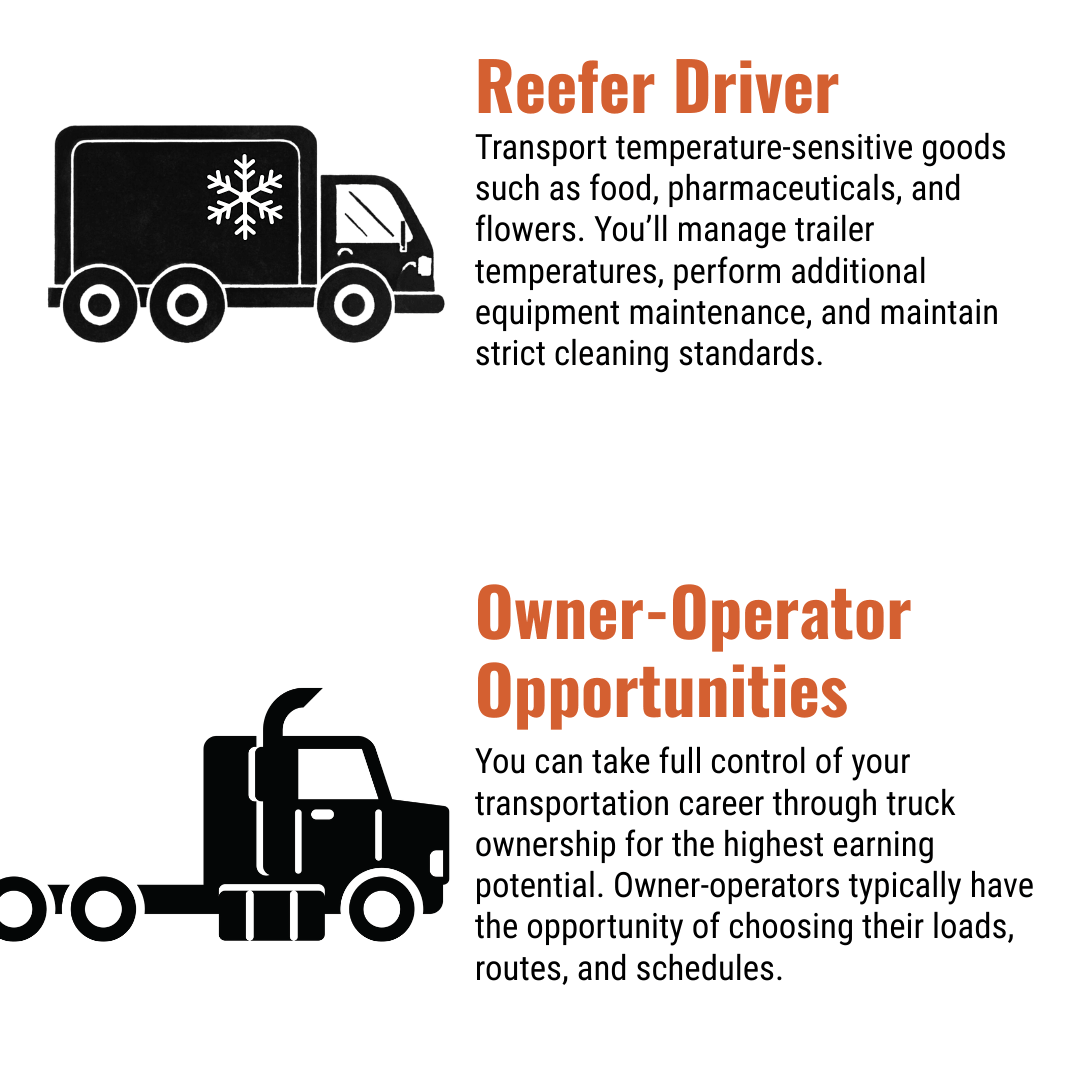
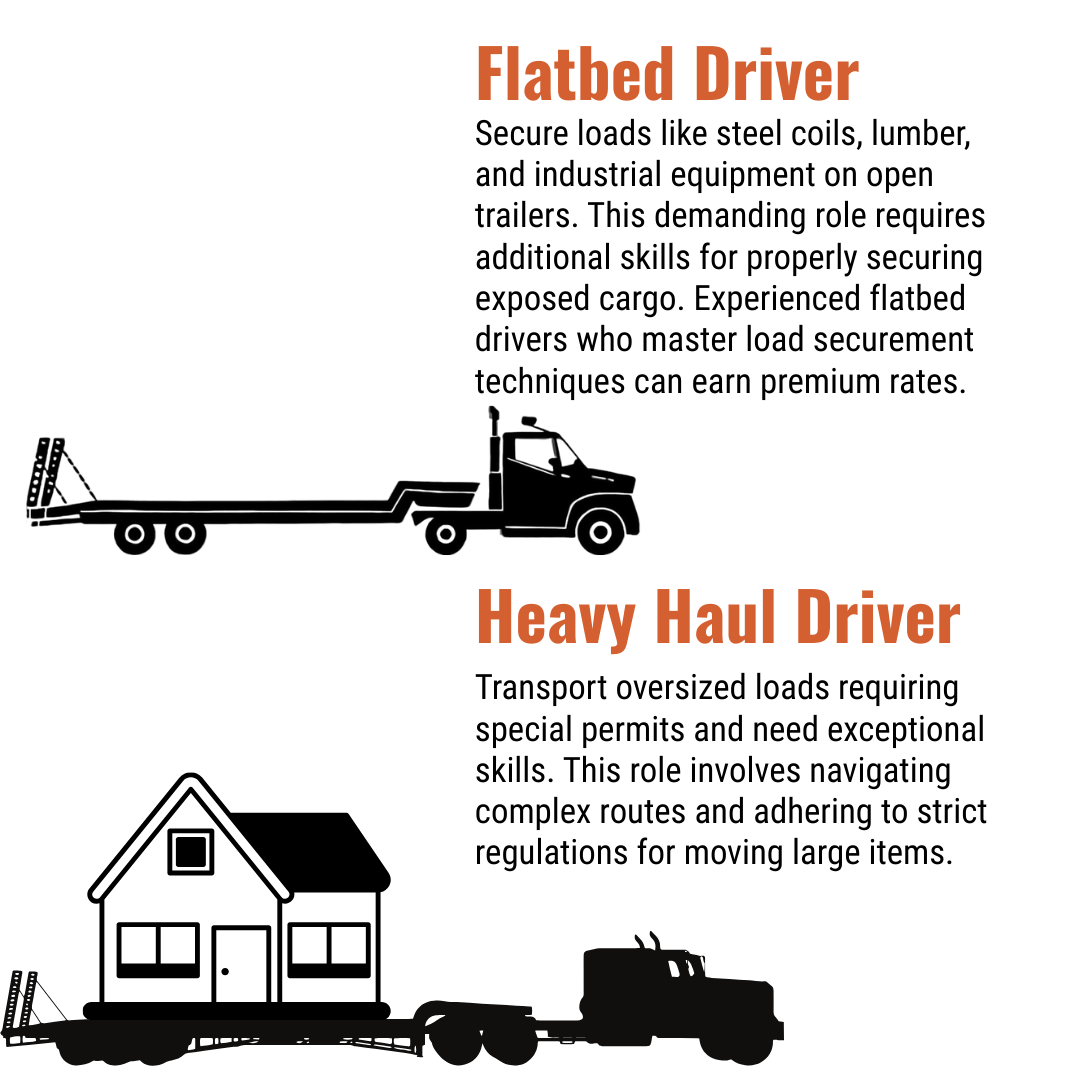
Specialized trucking roles offer substantial income opportunities beyond standard driving positions. When looking at what jobs you can get with a CDL, consider these higher-paying specializations.
How to Choose the Right CDL Career Path
Choosing the right CDL path comes down to understanding what matters most to you. What you can do with a CDL license depends on how you balance these important factors.
Consider your lifestyle and travel preferences
Your lifestyle goals should guide your decision between local, regional, or long-haul positions. Local routes offer daily home time, while regional driving typically gets you home weekly. Over-the-road positions keep drivers out for weeks but generally provide higher compensation. Adaptability matters in transportation careers, as schedules can change due to weather conditions or delivery adjustments.
Evaluate pay vs. home time
Pay versus home time represents the main tradeoff in truck driving careers. Many entry-level drivers have to decide what kind of career fits their lifestyle best – higher pay means more time away from home. Local and regional positions mean more time at home, but tend to have a lower annual salary.
Think about long-term growth and specialization
Career advancement in transportation comes with experience and specialization. Hazmat and tanker endorsements particularly boost earning potential, while specialized certifications create opportunities in construction and concrete delivery. Long-term CDL holders might consider becoming instructors or moving into management roles that coordinate drivers and suppliers.
Experience creates the foundation for advancement, so maintain a professional attitude, clean driving record, and updated endorsements to maximize your CDL job opportunities.
Conclusion
Your CDL offers far more career options than most people realize. Beyond the typical long-haul trucking image, your commercial driver’s license creates dozens of career paths. Whether you prefer local routes with daily home time or specialized roles handling hazardous materials, the transportation industry provides options to match your lifestyle preferences.
The job market for CDL holders continues growing, especially for those with specialized skills and clean driving records. The question isn’t simply what you can do with a CDL license—but rather, which path aligns best with your personal goals and priorities.
Your CDL represents more than permission to operate commercial vehicles—it creates entry into a field where experience builds value, specialization creates opportunity, and dedication leads to financial stability. Your journey begins with obtaining the right license class and endorsements, but where it leads depends entirely on the road you choose to travel.
Turn CDL Career Options Into Reality with Elite Truck School!